What is actually changing?
The biggest change is not simply that artificial intelligence has become more capable. The change is that AI is becoming part of everyday tools: search, email, office suites, support systems, security platforms and software development. Gartner's 2026 technology trends include AI-native development, multiagent systems, domain-specific models, preemptive cybersecurity, digital provenance and AI security platforms. In small-business language: tools are getting smarter, but they also need more control.
TechRadar's 2026 trends coverage makes a similar point: AI is no longer a separate feature, but a layer appearing in many parts of technology. That does not mean every business should immediately buy the newest platform. It means owners and managers should understand where technology changes work, and where it only adds cost.
AI agents: useful, but not unsupervised
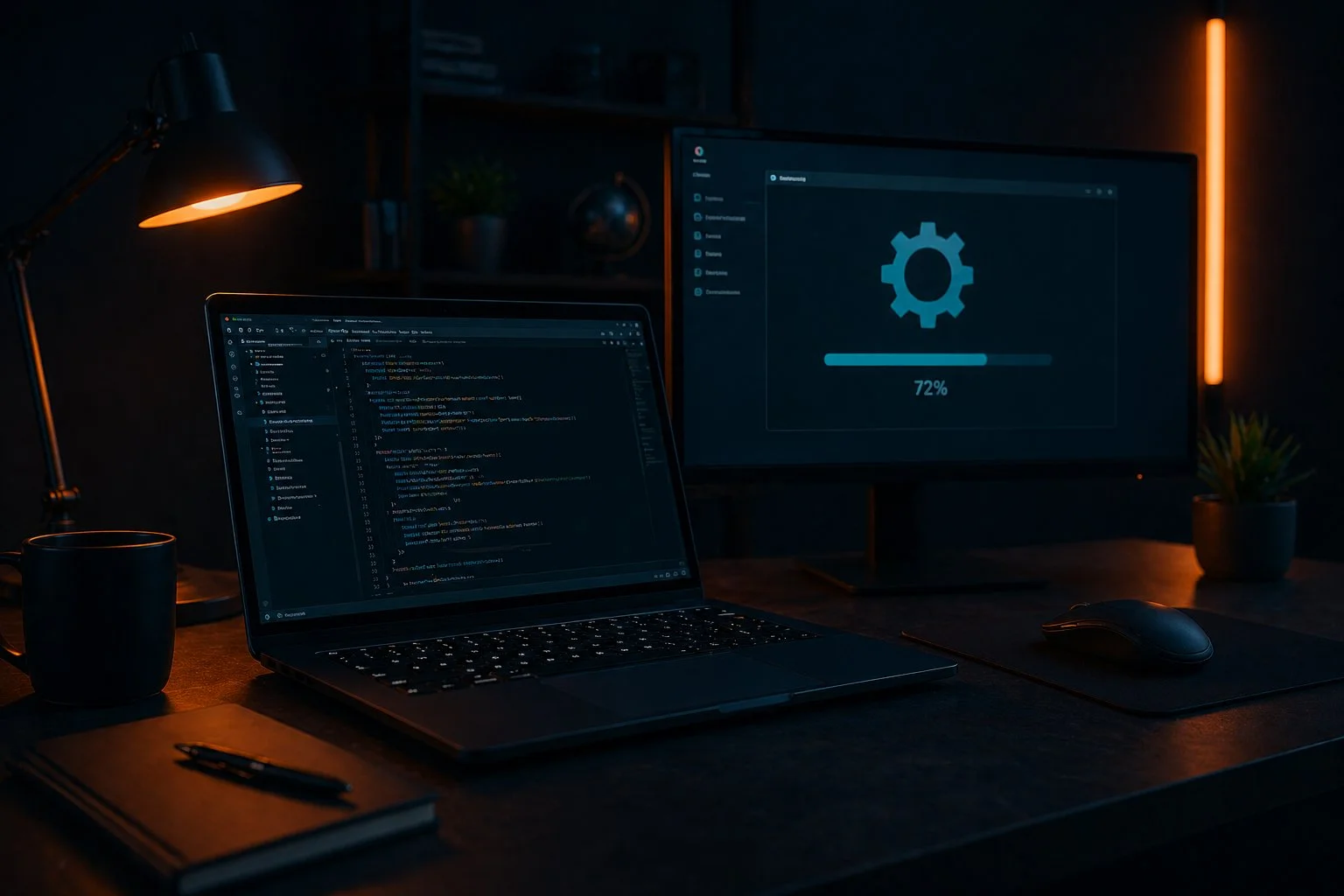
Until recently, most AI tools answered questions or wrote text. The next step is agents: systems that can perform a sequence of actions, connect to applications, analyze data and suggest or start work. In practice, that can mean sorting requests, preparing reports, checking logs or helping with basic diagnostics.
The important rule is simple: an agent should not receive more access than it needs. If an AI tool can read documents, email, CRM data or server files, the company must know who granted access, what the tool is allowed to do and where the audit trail is stored.
Security is moving earlier
Traditional security often worked like this: something happens, the system detects it, then someone reacts. A newer trend is preemptive cybersecurity: systems that try to find weaknesses and stop risk before an incident. This includes better monitoring, behavior analysis, vulnerability detection and faster response to suspicious changes.
For small businesses, this does not have to mean an expensive enterprise platform. The first step is often much simpler: proper antivirus or EDR, updated Windows machines, MFA on email accounts, tested backup and clear access rules.
Digital provenance becomes important
As AI generates text, images, invoices, fake emails and identity copies, one question becomes more important: where did this document come from and can it be trusted? Digital provenance focuses on that chain of origin. In business operations, this means more attention to email accounts, signatures, permissions, document versions and approval procedures.
Practical advice: If an employee receives an urgent request to pay an invoice, change a supplier's bank account or send a confidential document, confirm it through another channel. AI will make fake messages more convincing, but basic procedure still helps a lot.
Infrastructure matters again
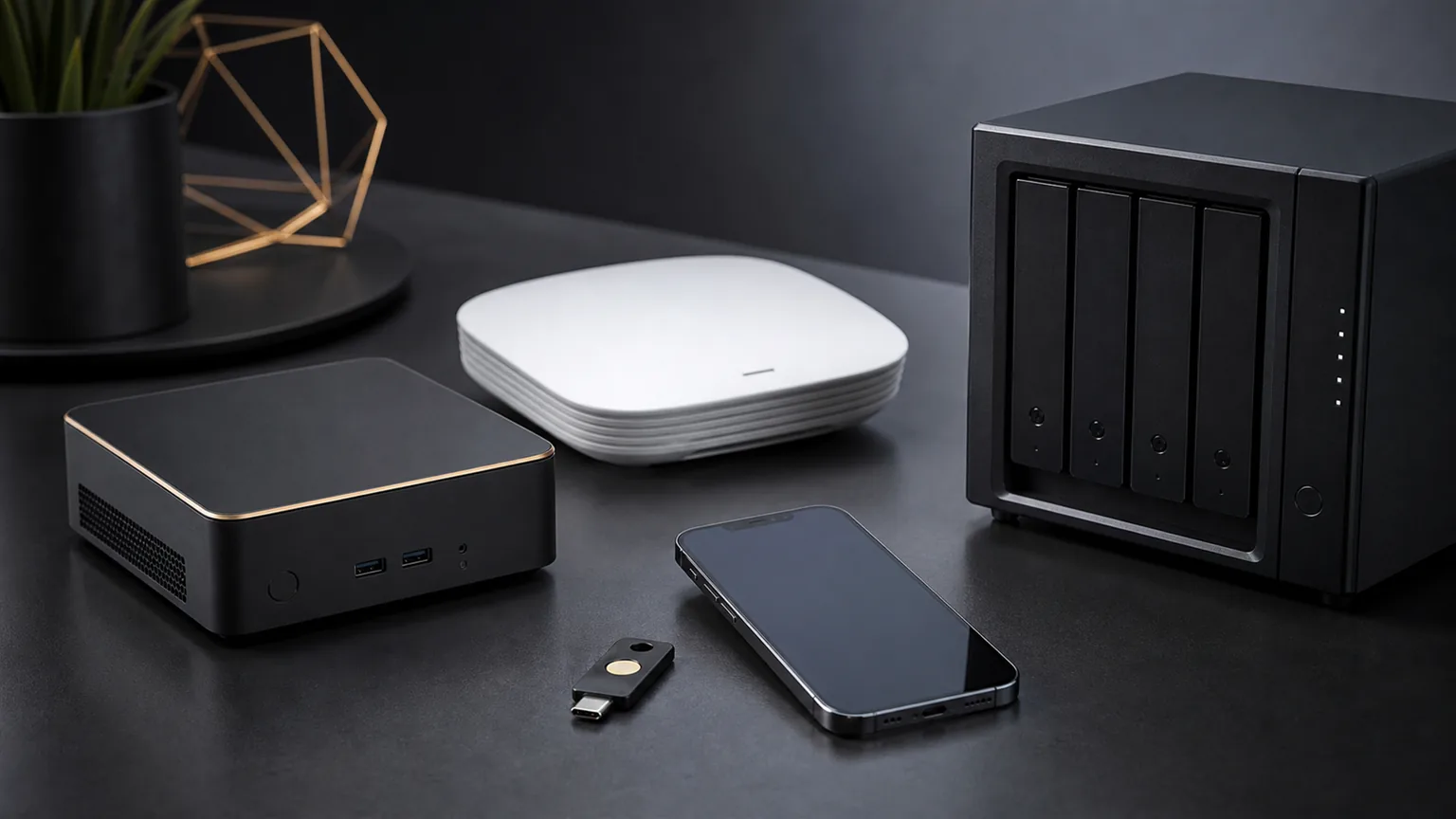
AI uses serious computing resources. That is why the industry talks more about specialized chips, AI PCs, local processing and smarter data storage. Small businesses do not need to build AI servers, but they will feel the impact through computer prices, software requirements and the need to keep data organized.
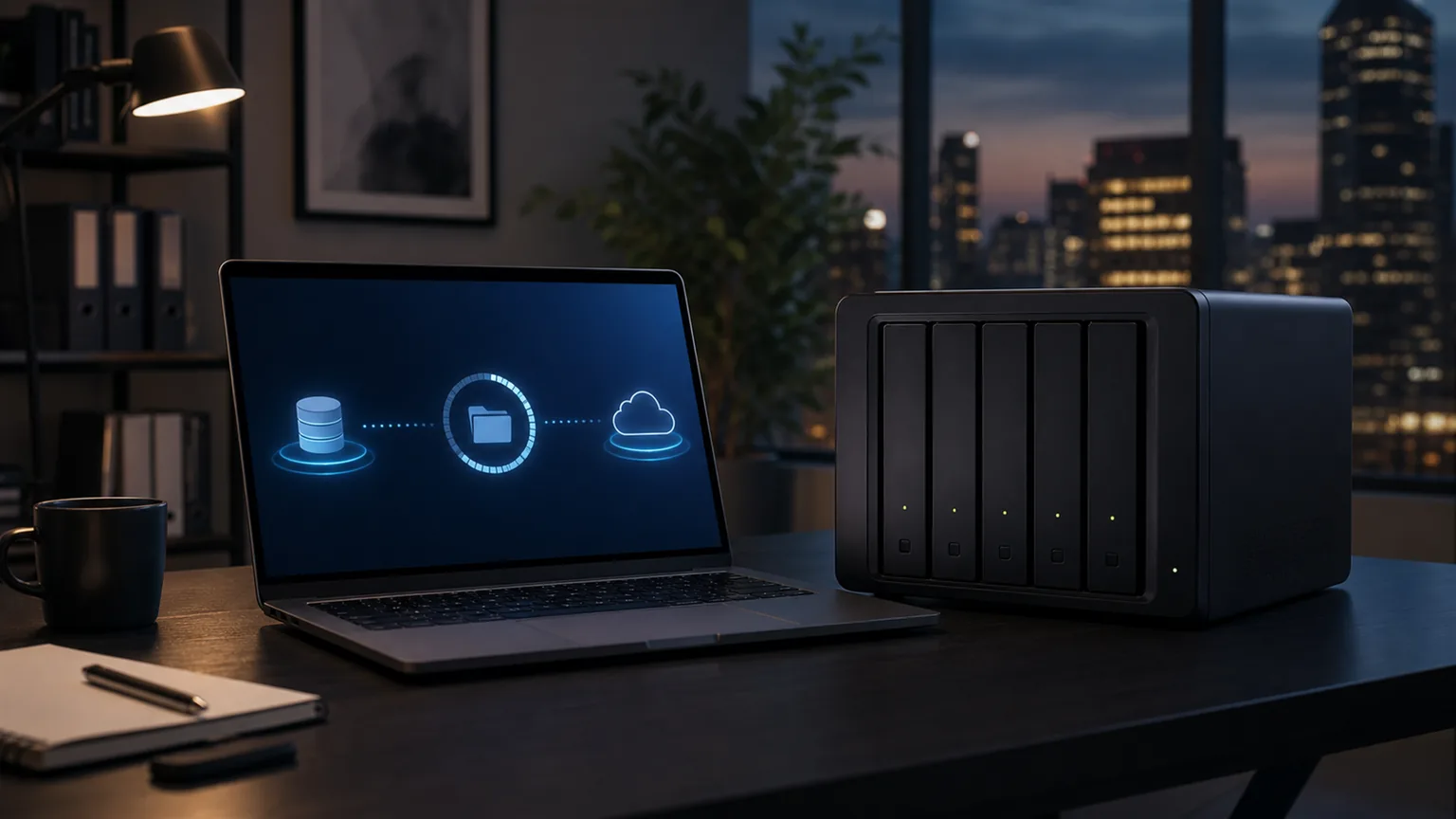
The best preparation is not buying the most expensive equipment. It is getting the basics right: stable network, sufficiently fast computers, secure NAS or server storage, verified backup and software that is licensed and managed properly.
What should a business do now?
- List the tools employees use, including AI services.
- Enable MFA for email and critical business accounts.
- Test backup restoration, not only backup creation.
- Define which data may be used in external tools.
- Plan replacement of old computers before they become a bottleneck.
Conclusion
New IT technologies in 2026 are not a distant future. They are already entering daily work through AI tools, security systems, email, documents and hardware. Businesses with clean infrastructure and clear rules will use these changes more safely and more effectively.
Before buying new technology, list the problems it needs to solve. A review of business IT support needs helps distinguish daily issues from investments that genuinely change the workflow.