What are AI agents in practice?
An AI agent is not just a chatbot answering a question. It is a tool that can understand a goal and attempt several steps across apps. Google gives examples such as ordering help, form filling and organizing information.
For a business, that can mean faster administration, easier replies, report preparation and better document search.

Where is the biggest benefit?
The biggest benefit is in routine work that matters but takes time: drafting emails, comparing information, structuring notes, preparing task lists and searching documents.
An AI agent can help an employee finish work faster, but it should not independently make business decisions.
Practical advice: never give an AI agent more access than the employee doing the same job. Minimum access is the best protection.
Where does risk begin?
Risk begins when AI receives access to data without clear rules. If a tool can read email, calendar, documents or files from a phone, the company must know who granted permission and why.
The most dangerous pattern is using private accounts for business content. In that case the company often has no control and no audit trail.
How to introduce AI agents sensibly?
Start with simple cases: internal instructions, summaries of public information, task organization and draft messages. Keep sensitive data outside the tool until there is a clear policy.
For advanced use, look for business accounts, audit logs, administration options and clear data processing terms.
Conclusion
AI agents can be useful, but only inside an organized system. If accounts, folders and permissions are already messy, AI will only make the mess faster.
Sources and note
This article is summarized and adapted for small and medium businesses based on public announcements and technical blogs, without copying source content.
- Google Blog: A smarter, more proactive Android with Gemini Intelligence
- Google Blog: Building Gemini Intelligence on a Foundation of Security and Privacy
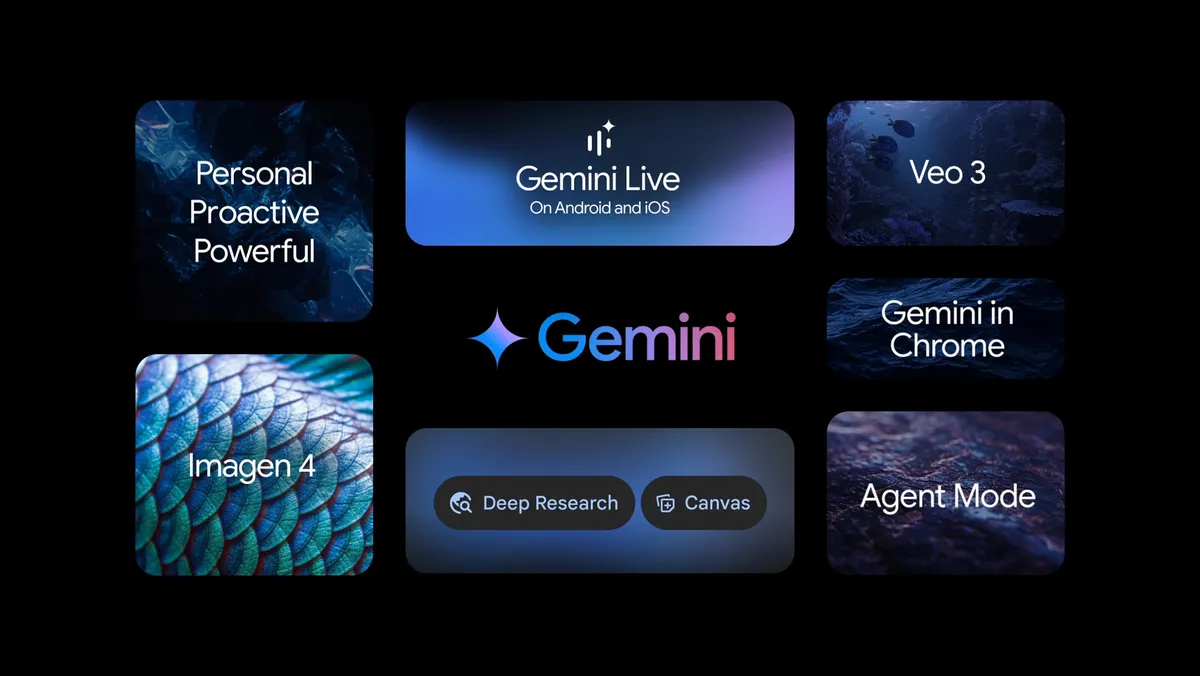
- Article photos: Image source: Google Blog: Gemini updates from Google I/O
Before connecting new tools, review licences, accounts and the documents they can access. Start with a properly configured business software environment.