How AI is changing Windows vulnerability discovery
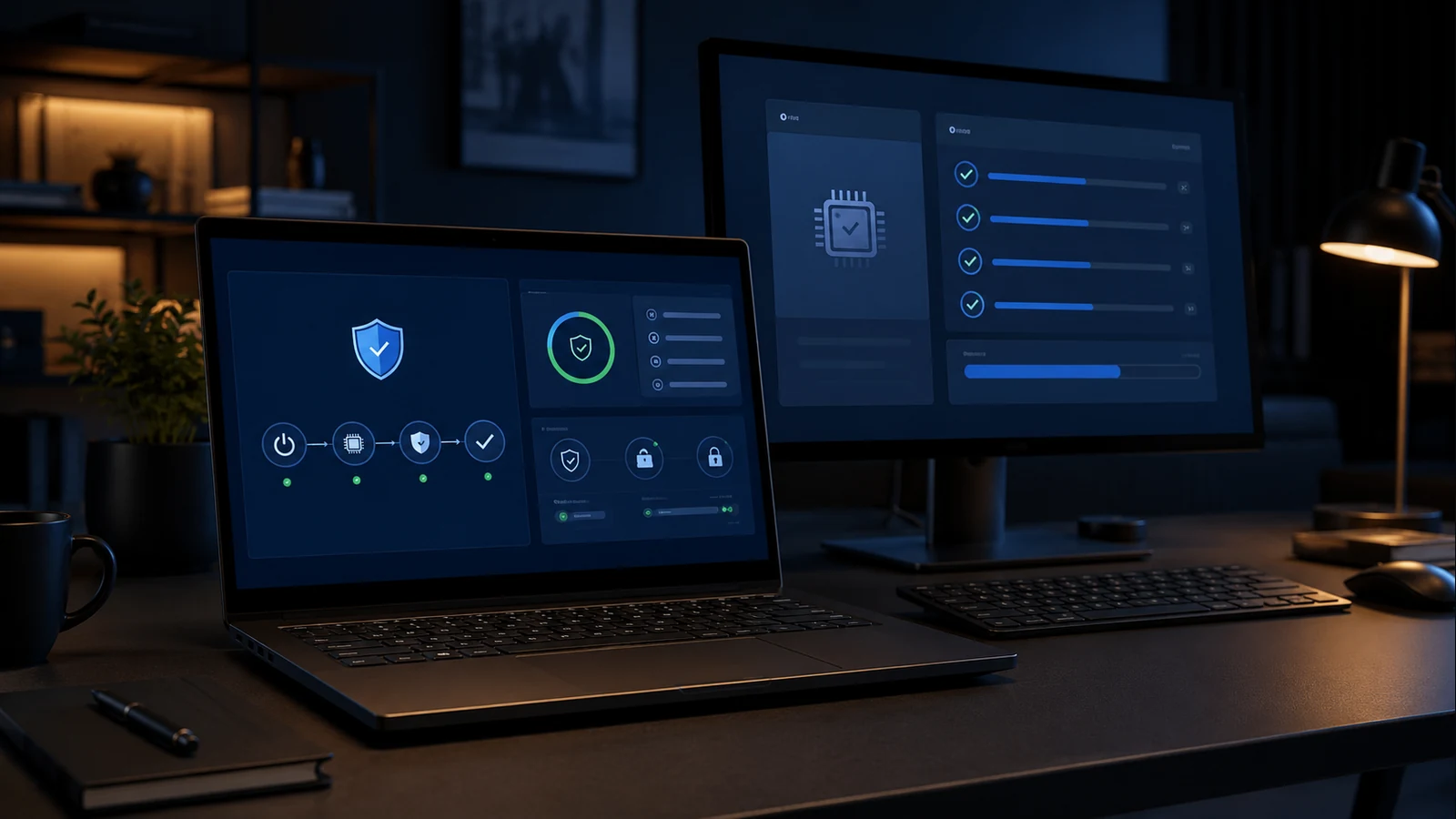
In July 2026, Microsoft described changes to Windows vulnerability management designed to match the speed of AI-assisted discovery. The company introduced MDASH, a multi-model agentic scanning harness that combines automated analysis with expert validation.
This does not mean Windows suddenly became less secure. More issues are visible because code can be analysed faster and more deeply. For administrators, a monthly update is no longer a routine click; it is part of risk and business continuity management.

What the July Windows 11 update includes
Microsoft's July cumulative update for supported Windows 11 versions includes security fixes and additional system hardening. Published changes include modern cryptographic support for Remote Desktop and tighter restrictions around older components that can expand the attack surface.
A business should not judge an update only by whether a computer can install it. Business applications, drivers, VPN access, printers, shared folders and remote access all need to work afterwards. One incompatible driver can stop operations as effectively as a security incident.
Why a staged rollout protects the business
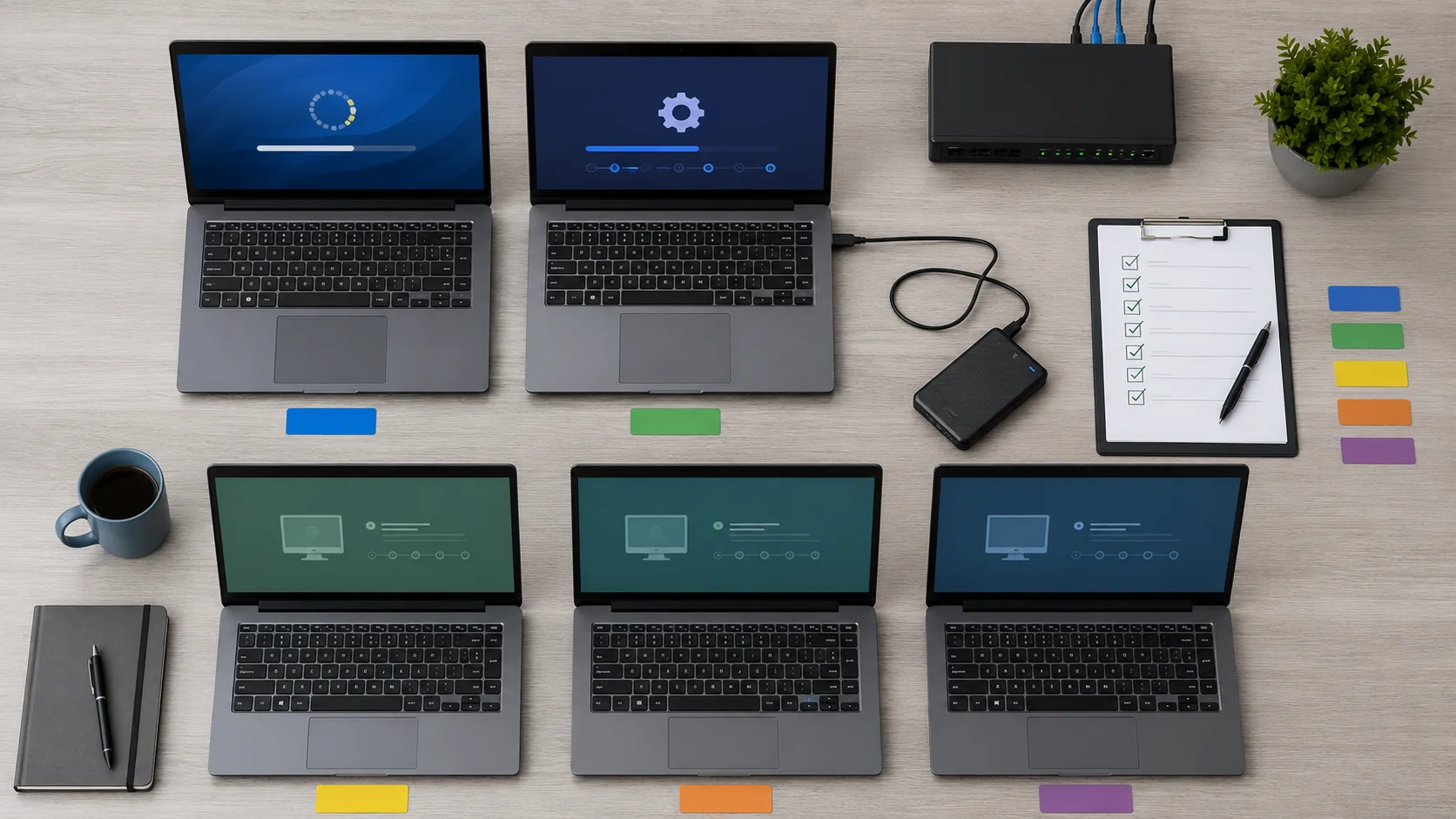
The safest approach is a staged rollout. Update a small group of representative computers first, verify critical applications and then continue with the rest of the company. This does not delay security without reason; it reduces the chance of one compatibility problem affecting everyone at once.
- Maintain a list of active Windows devices and their users.
- Confirm that current backups and recovery options exist.
- Select a pilot group with different computer models and applications.
- Test VPN, business software, printing, scanning and shared resources.
- Record the result before extending the update to other devices.

A short Windows update checklist
Before installation, check free storage, drive health, BitLocker recovery information, antivirus status and versions of critical applications. Afterwards, verify user sign-in, network access, email, printers and remote access. A computer that boots is not automatically ready for work.
Important: delaying every update is not a security strategy. The goal is a fast but controlled rollout with a tested recovery path.
Conclusion
AI will probably continue increasing the number of vulnerabilities found and the speed at which fixes arrive. Businesses benefit only when they combine patches with device inventory, reliable backup, pilot testing and clear responsibility.
Sources and further reading
- Microsoft Windows Blog: AI-powered vulnerability discovery
- Microsoft Support: July 2026 Windows 11 update
For an assessment of your business environment and practical next steps, see our business IT support.