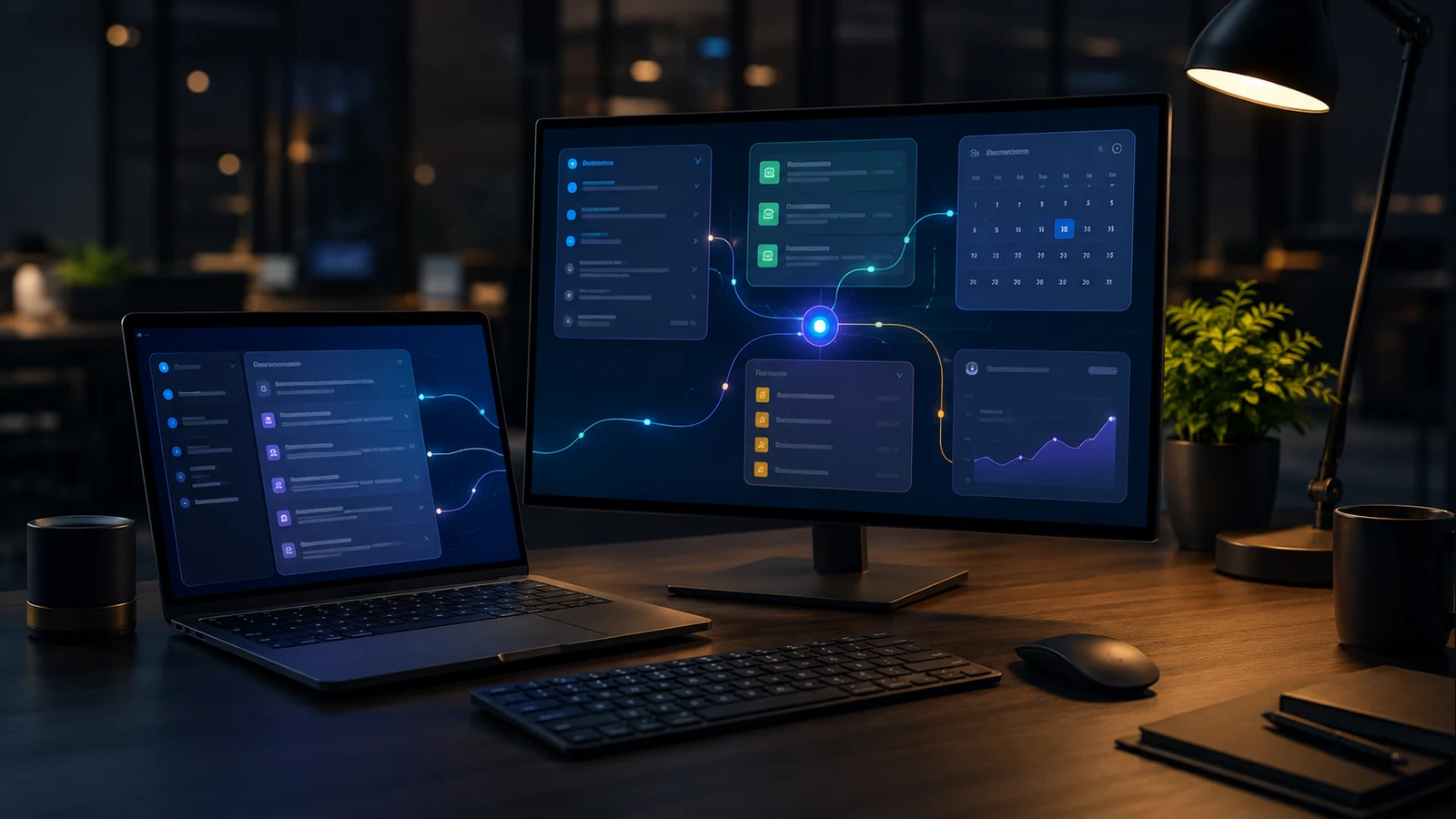
Meeting notes are useful, but few people enjoy writing them. AI tools can now listen to a conversation, identify decisions and create a task list. Google Meet and other platforms offer automatic note-taking that can save time and reduce forgotten commitments.
A business meeting transcript is not an ordinary document. It may contain prices, plans, client issues, employee data and decisions that are not public. Before enabling AI meeting notes, a company should know who has been informed, where the content is stored and who can open it.
Participants should know that a transcript is being created
Automatic notes should not be enabled without notice. At the beginning of a meeting, clearly explain that AI transcription is being used and what it is for. Conversations with clients, job candidates and external partners require particular care regarding company policy and applicable privacy obligations.
If someone objects, the organiser should know how to disable the feature and use conventional notes. Technology should support the meeting rather than create discomfort or mistrust.
Check where the notes are stored
The transcript and summary may be saved in Drive, OneDrive or another cloud service. Check the document owner, default permissions and whether a link is automatically sent to every participant. An external guest should not receive access to internal notes simply because they attended one part of a meeting.

Set a retention period as well. Informal conversations do not need to be stored permanently. Important meetings may have a defined business archive, while temporary transcripts can be deleted after the final minutes have been approved.
An AI summary is not an official decision
AI may attribute a statement to the wrong person, miss a negative word or combine two separate topics. Treat an automatic summary as a draft. The organiser or another responsible person should verify decisions, names and deadlines before distributing the document.
The final minutes should clearly list agreed decisions, owners and due dates. Keep the raw transcript only when there is a justified business need.
Different meetings need different rules
An internal weekly team meeting is not the same as a patient consultation, an HR interview or a contract negotiation. A company may permit AI notes for routine operational meetings while prohibiting them for medical, legal, HR or highly confidential discussions.
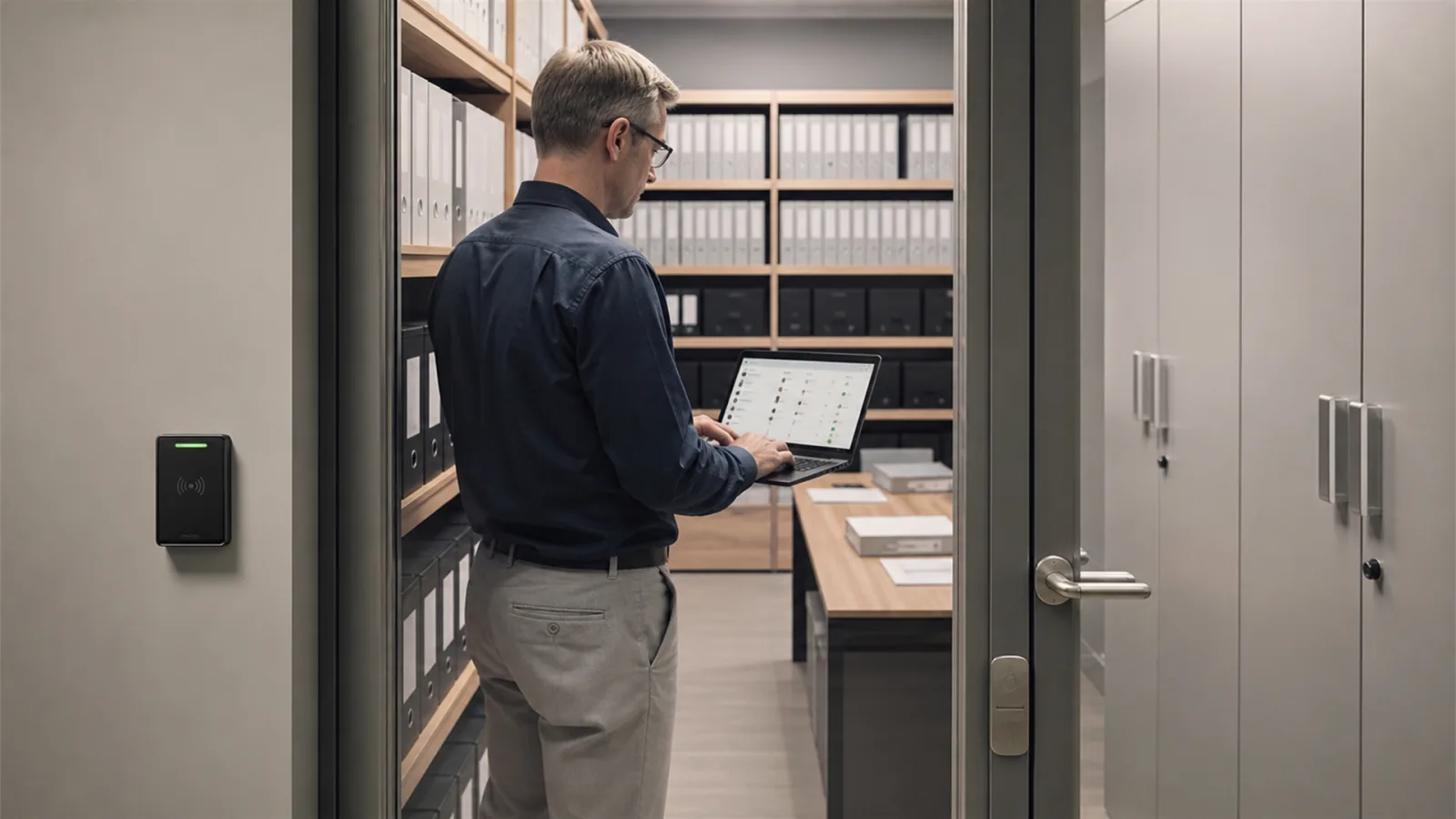
Three categories are easy for employees to understand: allowed without special approval, allowed with explicit consent and prohibited.
Access should follow the participant's business role
Only people who need the notes should be able to open them. A company-wide sharing link is rarely appropriate. Project groups, dedicated folders and restricted sharing provide better control.
NBG TEAM helps businesses configure Microsoft 365 and Google Workspace accounts, organise document sharing and establish secure use of cloud and AI tools. Automatic notes can be valuable when the rules are clear and the final result is reviewed by a person.
Sources and further reading
For help with your specific business environment, see our business IT support service.